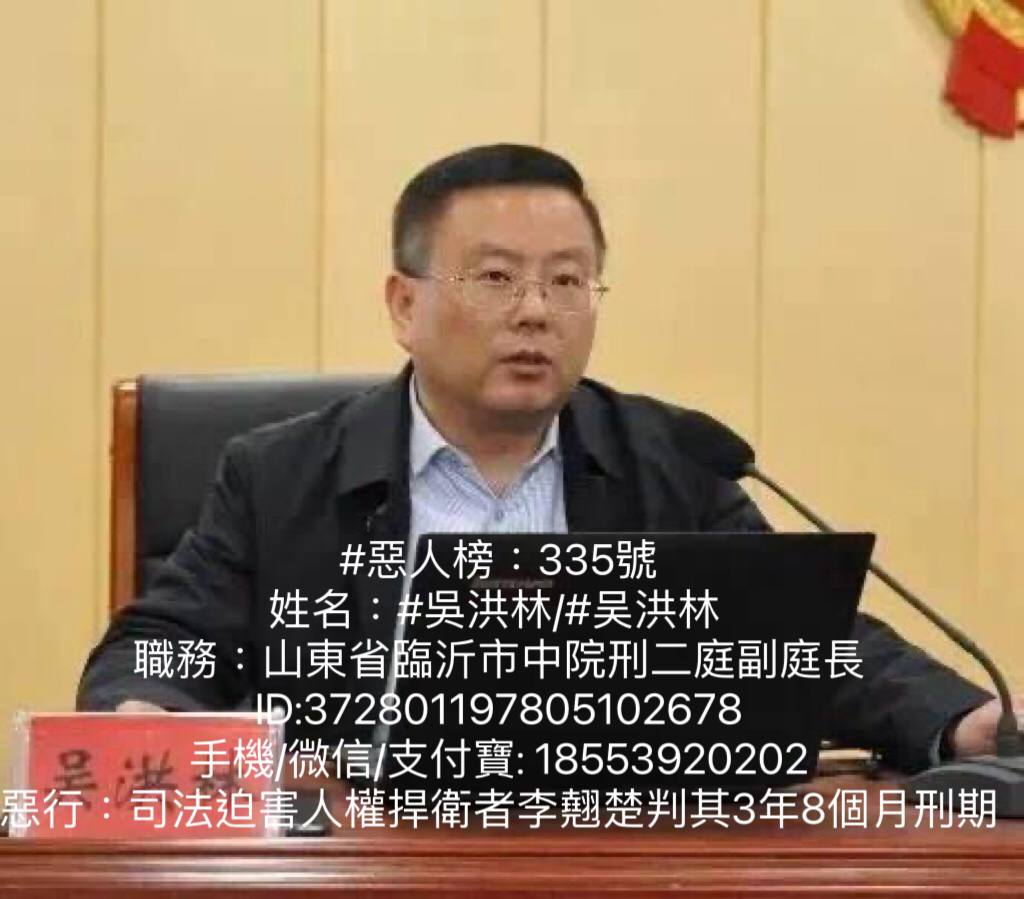
The China Human Rights Accountability Database (CHRAD) is a civil society initiative dedicated to documenting and publicizing the identities and actions of individuals responsible for serious human rights violations under the authority of the Chinese Communist Party (CCP). CHRAD serves as a comprehensive resource for governments, non-governmental organizations, media, and researchers working to promote accountability and uphold international human rights standards.


MISSION

CHRAD’s mission is to advance human rights and justice by identifying perpetrators of political persecution, religious repression, arbitrary detention, torture, enforced disappearances, and other forms of state-sponsored abuse in the People’s Republic of China. The database provides verified information to support efforts such as targeted sanctions, visa restrictions, and global advocacy.


SCOPE

CHRAD focuses on officials at all levels of government, including but not limited to:

* Public security and state security officers
* Judges, prosecutors, and legal system actors
* CCP party officials and administrative authorities
* Individuals involved in the repression of ethnic minorities, such as Uyghurs, Tibetans, and religious groups, such as Falun Gong, the Church of Almighty God, and underground house churches
* Those implicated in suppressing freedoms of expression, religion, assembly, and belief


SOURCES AND METHODOLOGY

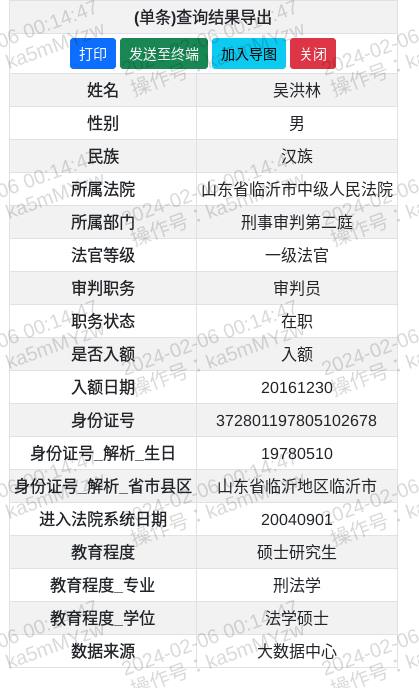
Entries in CHRAD are based on credible reports from victims, witnesses, international human rights organizations, Chinese legal documents, and independent media investigations. Native speaking CHRAD volunteers also independently verify the accuracy of the records using various channels, including, but not limited to: phone calls, social media Apps, online bank payment applications, leaked online databases, etc.


USE AND IMPACT

CHRAD is a non-governmental, independent initiative that contributes to international efforts to promote accountability through:

* Support for targeted sanctions (e.g., Magnitsky-style sanctions)
* Human rights reporting and policy-making
* Legal action and transitional justice mechanisms
* Public awareness and education

All materials on this website are licensed for unrestricted use, reproduction, and modification, provided that original source attribution is retained and not deliberately removed or obscured.


DISCLAIMER

CHRAD is committed to accuracy, transparency, and due process. All entries are subject to ongoing review and correction based on new or clarified information. Inclusion in the database does not imply guilt under any specific national jurisdiction, but reflects the existence of credible evidence of involvement in serious rights violations.